
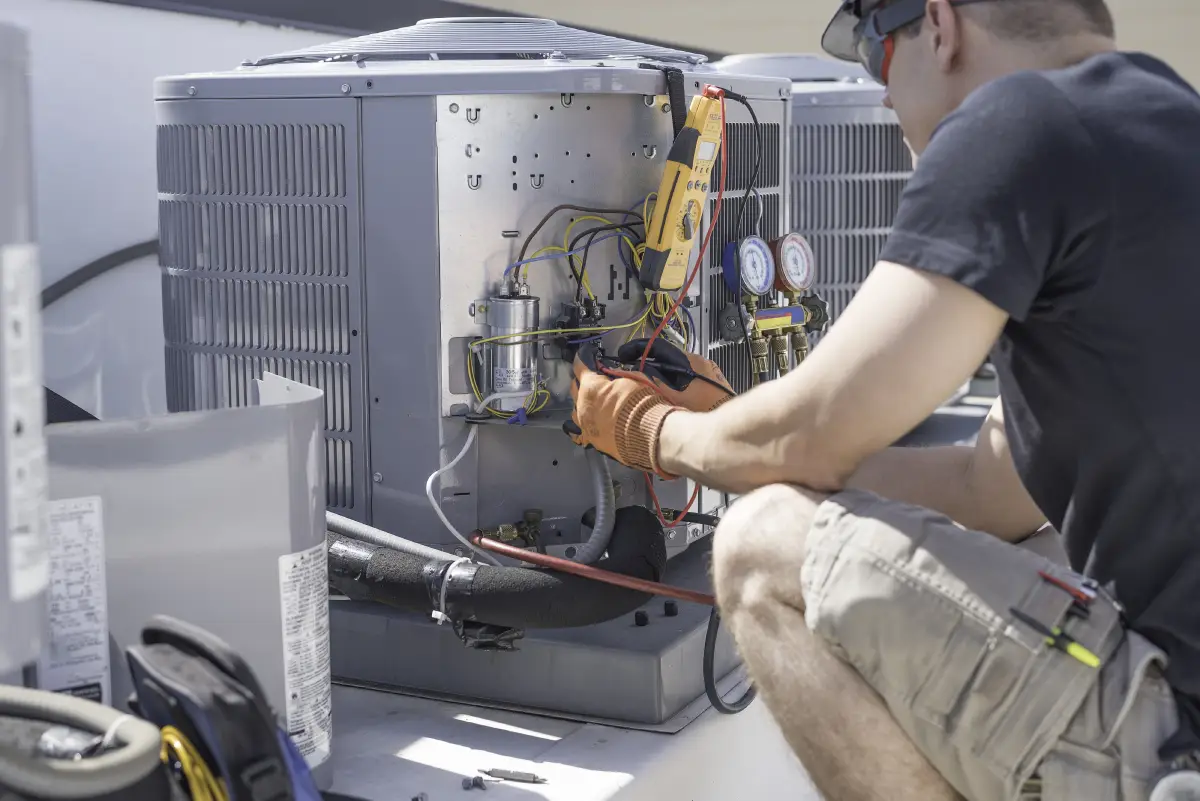
A repair gets handled, things settle for a while, and then the same issue returns, often when you least expect it. Having a structured approach like early warning repair insights helps you recognize when these patterns are more than routine maintenance.
In New Orleans, properties face unique challenges due to climate conditions, aging infrastructure, and constant exposure to humidity. What starts as a minor inconvenience can turn into a repeating cycle that affects your time, your budget, and your tenant relationships.
Housing costs continue to rise across the country. According to the U.S. Census Bureau, median monthly owner expenses reached $2,035 in 2024, which reflects how recurring maintenance problems can gradually increase overall property costs.
This article explains why recurring repairs happen, what they reveal about your property’s condition, and how to shift toward more reliable solutions.
Key Takeaways
- Recurring repairs often signal deeper system-level problems
- Temporary fixes can increase long-term maintenance costs
- Delayed upgrades lead to frequent breakdowns
- Consistent maintenance improves tenant satisfaction
- Tracking patterns helps prevent long-term inefficiencies
Recurring Repairs Often Point to System-Level Problems
Repeated maintenance issues rarely happen by chance. When the same problem shows up more than once, it often means the original repair did not address the root cause.
In New Orleans, moisture and weather exposure can accelerate system wear. Without deeper inspection, problems continue to surface even after they appear resolved.
Common Causes of Repeat Issues
- Plumbing problems caused by buildup or corrosion
- HVAC systems affected by humidity and heavy usage
- Electrical issues linked to aging infrastructure
Recognizing these patterns early helps you make better decisions. Tools like a property return calculator can also help you evaluate whether repairs or replacements are more cost-effective.
The True Cost of Repeating Repairs
A single repair may seem minor, but repeated issues quickly increase total maintenance expenses.
Each service call includes labor, materials, and coordination. When these costs repeat, they begin to impact your overall returns.
According to recent data, housing repair needs reached $198.4 billion in a single year, largely due to unresolved maintenance problems.
Why Short-Term Fixes Add Up
Temporary solutions often resolve visible damage but leave underlying issues untouched. This leads to repeat service calls and higher costs over time.
Tracking expenses through organized financial reporting tools helps you understand how recurring issues affect your property’s performance.
Delaying Upgrades Can Increase Repair Frequency
Postponing upgrades may feel like a practical decision. Over time, it often leads to more frequent breakdowns and higher costs.
Older systems require more attention and become less reliable. They are also more likely to fail during peak usage periods.
Long-Term Effects of Delayed Upgrades
- Increased maintenance calls
- Higher utility expenses
- Reduced equipment lifespan
- Greater risk of unexpected failures
Evaluating your property through a rental performance review can help identify where upgrades may reduce recurring issues.
Tenant Experience Is Affected by Repeated Issues
Tenants expect repairs to last. When the same issue returns, it creates frustration and uncertainty.
Even if repairs are handled quickly, repeated disruptions can affect tenant confidence. Over time, this may reduce satisfaction and trust.
Signs Tenant Confidence Is Declining
- Repeat complaints about the same issue
- Frustration during maintenance requests
- Hesitation to renew leases
Reviewing patterns alongside tenant screening strategies can help you better understand how maintenance issues influence tenant behavior.
Turnover Risks Increase With Ongoing Problems
Recurring maintenance issues can influence a tenant’s decision to stay or leave. Even minor problems can become significant when they happen repeatedly.
Higher turnover increases costs related to vacancy, marketing, and property preparation. Frequent tenant changes also add wear to the property.
Using structured owner resource tools can help you identify where recurring issues are affecting retention and performance.
Building a More Reliable Maintenance Approach
Breaking the cycle of repeated repairs requires a proactive approach. Instead of reacting to problems, it helps to focus on long-term solutions.
Steps to Improve Maintenance Efficiency
- Track maintenance history to identify patterns
- Schedule preventative maintenance regularly
- Replace aging systems before repeated failure
- Work with experienced professionals for proper diagnosis
Coordinating repairs through dependable property maintenance services ensures that problems are handled correctly the first time.
Additional oversight, such as routine inspections or home monitoring services, can also help identify early signs of recurring issues before they escalate.
Creating Long-Term Stability for Your Property
Improving efficiency requires consistent planning and attention. When maintenance is handled strategically, properties become easier to manage and more predictable in terms of costs.
Preventative maintenance reduces the risk of unexpected issues. Regular inspections help identify problems early, allowing you to address them before they repeat.
Investing in long-term solutions also supports better system performance. Whether it involves upgrading equipment or improving maintenance processes, these decisions lead to fewer disruptions and lower expenses.
Over time, this approach creates a more stable and reliable rental experience.
FAQs about Recurring Repairs and Rental Property Efficiency in New Orleans, LA
What makes recurring repairs more common in New Orleans properties?
High humidity, frequent storms, and aging infrastructure can accelerate wear on property systems. These conditions increase the likelihood of recurring issues if maintenance is not handled with long-term solutions in mind.
How can repeated repairs affect rental income over time?
Recurring issues increase maintenance costs and may lead to tenant dissatisfaction. Over time, this can result in higher turnover rates and longer vacancy periods, both of which impact overall rental income.
Are certain systems more prone to recurring problems?
Yes, plumbing, HVAC, and electrical systems are more likely to experience repeat issues, especially in older properties or those exposed to harsh environmental conditions.
Can preventative maintenance reduce recurring repair cycles?
Regular inspections and scheduled servicing help identify early signs of wear. Addressing these issues before they worsen can significantly reduce the likelihood of recurring repairs.
When should a system be replaced instead of being repaired again?
If repairs become frequent and costs continue to rise, replacing the system is often more efficient. New systems provide better reliability and reduce the need for ongoing maintenance.
Creating Lasting Stability for Your New Orleans Rental Property
Ongoing repair patterns usually reflect deeper inefficiencies that need a more thoughtful solution. Taking time to correct those underlying issues can reduce repeated service calls and help your property operate more smoothly over time.
At PMI Integrity Properties - New Orleans, we focus on identifying where these recurring problems begin and implementing solutions designed to hold up long-term. This approach supports better performance, fewer disruptions, and improved tenant satisfaction.
If you want a more dependable maintenance strategy in place, start by choosing to resolve persistent maintenance issues with PMI Integrity Properties - New Orleans.
